Distilled vodka is theoretically gluten-free, but many celiac patients react to grain-based vodkas. Celiac-safe default: vodka made from potatoes, grapes, or corn.
The short answer: Distilled vodka is theoretically gluten-free — distillation removes the gluten protein — but many celiac patients report reactions to grain-based vodkas. The celiac-safe choice is vodka made from potatoes, grapes, or corn. If you’re going to drink, choose a naturally-GF spirit over a grain spirit.
The Distillation Question
Industry consensus says distilled grain vodka is gluten-free. Real-world reports from celiac patients say otherwise often enough that the celiac-safe default is to skip grain spirits entirely. Here’s the science and what patients actually report:
What Industry Science Says
Distillation is a purification process that separates liquids by their boiling points. Gluten proteins:
- Have a higher boiling point than alcohol
- Do not vaporize during proper distillation
- Remain in the still while pure alcohol vapor rises
- Should not be present in properly distilled spirits
The FDA states that distilled foods and beverages made from gluten-containing grains can be labeled gluten-free if they don’t contain any intact gluten.
The Celiac Disease Foundation and Beyond Celiac both state that pure distilled spirits, including vodka made from wheat, should be safe for celiac disease.
What Many Patients Actually Report
Despite the science, celiac patients consistently report:
- Symptoms after drinking grain-based vodka (not present with potato vodka)
- Intestinal symptoms distinct from alcohol intolerance
- Improvement when switching to non-grain vodkas
These reports are consistent enough that the celiac-safe default is to avoid grain-based vodkas entirely. The science may not fully account for what patients are experiencing.
Possible Explanations
Why might some celiac patients react to “gluten-free” grain vodka?
- Incomplete distillation — Cheap vodkas may not be distilled thoroughly
- Post-distillation additives — Flavorings or colorings added after distillation
- Mash back — Some producers add grain mash for flavor after distillation
- Nocebo effect — Expectation of reaction causing symptoms
- Unknown peptides — Distillation may not remove all immunogenic fragments
- Other grain sensitivities — Beyond just gluten
The honest answer: We don’t fully understand why patients react when the industry science says they shouldn’t. The celiac-safe choice is to skip the question entirely with naturally-GF spirits.
Vodka By Ingredient Source
Naturally Gluten-Free Source (Celiac-Safe Default)
These vodkas are made from inherently gluten-free ingredients:
| Brand | Source | Notes |
|---|---|---|
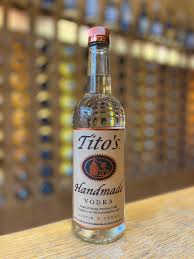
| Tito’s Handmade Vodka | Corn | Most popular GF vodka in US |
| Chopin Potato Vodka | Potatoes | Polish, premium quality |
| Cîroc | Grapes | French, luxury brand |
| Crystal Head | Corn | Canadian, multiple distillations |
| Deep Eddy | Corn | Texas, multiple flavors |
| Luksusowa | Potatoes | Polish, affordable |
| Schramm Organic | Potatoes | American, organic |
Tito’s Handmade Vodka deserves special mention — it’s widely available, reasonably priced, and explicitly marketed as gluten-free (made from corn).
Grain-Based (Industry Says Safe, Patient Reports Disagree)
These vodkas are made from wheat, rye, or barley. Industry consensus says distillation removes the gluten — patient reports often disagree. Not the celiac-safe default:
| Brand | Source | Notes |
|---|---|---|
| Grey Goose | Wheat | French, premium |
| Absolut | Winter wheat | Swedish |
| Ketel One | Wheat | Dutch |
| Smirnoff | Wheat/corn blend | Varies by product |
| Stolichnaya | Wheat & rye | Russian |
| Belvedere | Rye | Polish, premium |
The industry says these are gluten-free post-distillation. Patient reports are mixed. The celiac-safe default is to choose a naturally-GF spirit instead.
What to Avoid
Flavored vodkas are higher risk:
- Flavorings may contain gluten
- Less regulation on additives
- Harder to verify safety
Cheap/unbranded vodkas:
- May be improperly distilled
- May have post-distillation additives
- Quality control varies
The Real-World Pattern
Surveying celiac forums, support groups, and patient advocacy sites:
- Some celiac patients drink distilled grain vodka without acute symptoms
- Many celiac patients react to wheat-based vodka and switch to alternatives
- Most celiac organizations say distilled spirits are gluten-free (with caveats)
- The celiac-safe default is naturally-GF vodka (potato, corn, grape)
- Absence of acute symptoms is not evidence of safety for an autoimmune condition
The celiac-safe choice removes the question. Naturally-GF spirits don’t require trusting that distillation worked.
FDA and Labeling Rules
The FDA gluten-free labeling rule states:
- Distilled foods can be labeled gluten-free even if made from gluten grains
- The final product must test below 20 ppm
- Flavorings added after distillation must also be gluten-free
This means a wheat-based vodka CAN legally claim “gluten-free” status if properly distilled.
TTB vs. FDA Labeling
Alcohol is regulated by the Alcohol and Tobacco Tax and Trade Bureau (TTB), not the FDA. The TTB has its own rules:
- “Gluten-free” can only be used on products made from GF ingredients
- “Processed/crafted to remove gluten” can be used on distilled grain spirits
- This creates confusion — see both labels in stores
What About Other Spirits?
The same distillation principles apply:
| Spirit | Source | Status |
|---|---|---|
| Whiskey/Bourbon | Corn, wheat, barley, rye | Distilled = technically GF, but controversial |
| Gin | Grain base + botanicals | Same as vodka — distilled should be GF |
| Rum | Sugarcane | Naturally GF, no grain source |
| Tequila | Agave | Naturally GF, must be 100% agave |
| Brandy/Cognac | Grapes | Naturally GF |
For whiskey specifically, many celiac patients avoid it due to the more complex distillation and aging process.
Safe Drinking Tips for Celiac Disease
Before You Drink
- Know your tolerance — Have you reacted to grain spirits before?
- Start with GF-source spirits if newly diagnosed
- Check for flavored varieties — Higher risk
- Verify mixers are GF — Many are not (beer, malt beverages)
Choosing a Celiac-Safe Vodka
Celiac-safe default: Potato or corn vodka (Tito’s, Chopin, Luksusowa)
Industry says safe, patient reports vary: Pure, unflavored grain vodka from reputable distillers
Avoid: Cheap vodka, flavored vodka without GF label, anything with additives
Mixers to Watch
Your vodka may be safe, but mixers can contain gluten:
- Beer — Contains gluten
- Malt beverages — Contain gluten
- Pre-made mixes — Check ingredients
- Bloody Mary mix — Usually GF, but verify
- Simple syrup, citrus, soda — Naturally GF
Quick Reference Summary
| Status | Details |
|---|---|
| Industry consensus? | Distilled vodka is gluten-free regardless of grain source |
| Patient reports? | Reactions to grain vodka are documented and consistent |
| Celiac-safe default | Potato or corn vodka (Tito’s, Chopin, Luksusowa) |
| Less certain | Pure, unflavored grain vodka from quality distillers |
| Avoid | Flavored vodkas without GF label, cheap spirits, malt beverages |
The Bottom Line
Industry science says distilled vodka is gluten-free regardless of grain source. Major celiac organizations agree. Real-world patient reports tell a different story often enough that the celiac-safe default is to skip grain spirits entirely.
Our recommendation:
Choose Tito’s Handmade Vodka (corn), Chopin (potato), or Cîroc (grape). These are made from naturally gluten-free ingredients — no trust required in distillation.
Symptom absence is not evidence of safety in an autoimmune condition. If you’re going to drink, the celiac-safe choice is the spirit that doesn’t require believing distillation removed the gluten — choose one that never had it.
Related Guides
- Is Whiskey Gluten Free?
- Is Gin Gluten Free?
- Is Tequila Gluten Free?
- Is Beer Gluten Free?
- Is Wine Gluten Free?