Celiac Science
Urine Test Could Replace Blood Draws for Celiac Diagnosis in Children
New research finds two urinary microRNAs combined with a protein test can diagnose pediatric celiac disease without blood draws or invasive procedures.
Understanding the medical, biological, and scientific aspects of celiac disease. From diagnosis to treatment, myths to facts.
Celiac disease is an autoimmune condition affecting roughly 1 in 100 people worldwide, yet the majority remain undiagnosed. When someone with celiac disease eats gluten — a protein found in wheat, barley, and rye — their immune system attacks the lining of the small intestine, damaging the villi that absorb nutrients from food.
This section covers the science behind celiac disease in plain language. We break down how gluten triggers an autoimmune response, what happens during the diagnostic process (blood tests, biopsies, and genetic markers), and why celiac disease is so frequently misdiagnosed or overlooked entirely.
Whether you've just been diagnosed, suspect you might have celiac disease, or want to understand what's happening in your body, these guides are written for patients — not textbooks. Every article is sourced from peer-reviewed research, medical institutions, and established organizations like the Celiac Disease Foundation and Beyond Celiac.
If you're newly diagnosed and feeling overwhelmed, start with our beginner's guide to celiac disease. For a deeper look at the protein that causes it all, read our complete guide to understanding gluten.
New research finds two urinary microRNAs combined with a protein test can diagnose pediatric celiac disease without blood draws or invasive procedures.
New Norwegian research challenges assumptions about omega-3s and celiac disease risk, finding no protective effect in a large study of infants.

New research examines how celiac disease affects body image and emotional awareness in adults, revealing connections that matter for mental health support.

New research reveals how flawed screening criteria in celiac drug trials may cause them to fail—not because the drugs don't work, but because they're testing the wrong patients.
A newly engineered enzyme called celiacase degrades immunogenic gluten peptides by up to 99% in lab tests, offering hope as a therapeutic adjunct to the gluten-free diet.

New research reveals 44% of patients with dermatitis herpetiformis (celiac disease of the skin) experience neurological issues, highlighting the systemic nature of celiac disease.
New research identifies molecules that could neutralize gluten before it triggers immune damage—what this means for celiac families.

A corrected Mendelian randomization study on gut microbiota and celiac disease reminds us why scientific rigor matters for the celiac community.

New research identifies perinatal and lifestyle factors that influence childhood liver enzyme levels, potentially flagging early metabolic disease risk.

A new comprehensive review highlights why celiac disease is underdiagnosed and why the gluten-free diet remains the only treatment option.

New research reveals intestinal cells actively contribute to celiac disease onset, not just suffer damage. What this means for prevention and treatment.
Italian study finds denosumab effectively increases bone density in celiac patients with osteoporosis, offering hope for those at high fracture risk.

New research explores how genetic variations in antibody genes may influence the immune response in celiac disease, offering clues for future treatments.
New AI-driven research aims to standardize how pathologists read celiac biopsies, potentially reducing misdiagnosis and speeding up treatment.

New research finds girls with celiac disease have lower muscle mass and higher body fat than peers, even while following a gluten-free diet.
An experimental drug shows promise for treating celiac disease beyond the gluten-free diet. What celiac families should know about this development.
New meta-analysis reveals the gluten-free diet affects lipid profiles differently in children versus adults with celiac disease. What parents need to know.

New research confirms what celiac families know: fatigue persists, quality of life suffers, and follow-up care is inconsistent. Here's what it means.

New research reveals what helps celiac patients stick to their gluten-free diet—and the barriers that make adherence so difficult.

University of Cincinnati research reveals gut microbiome differences may influence celiac disease development, offering new clues for prevention.

Scientists discover specialized intestinal cells that play a key role in triggering the celiac immune response, opening potential new paths for treatment.

A major review outlines promising celiac disease treatments in development, from gluten-digesting enzymes to immune tolerance therapies.

Columbia study finds kissing after gluten consumption poses minimal risk. Drinking water first eliminates detectable gluten transfer entirely.
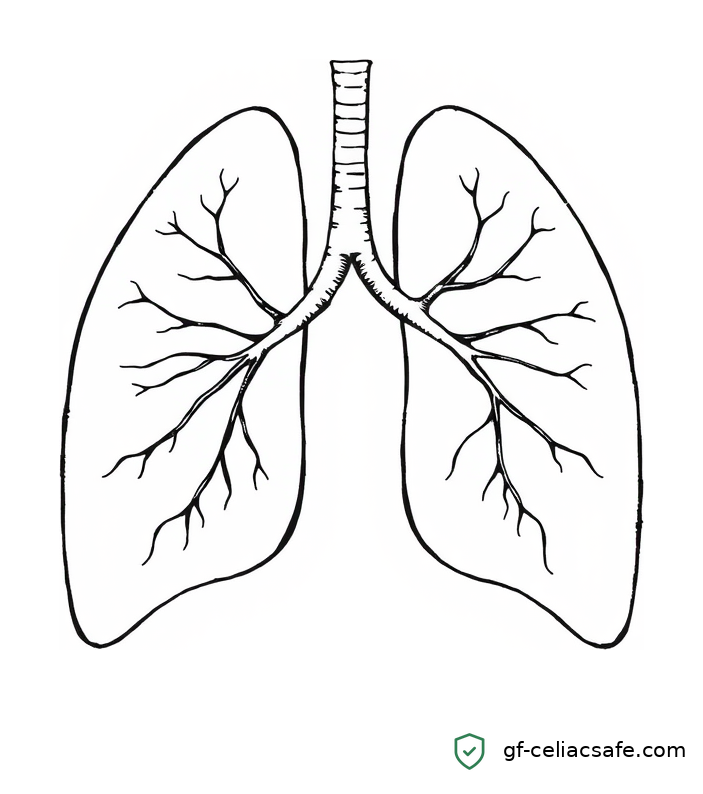
Genetic analysis reveals celiac disease may increase risk of pulmonary arterial hypertension. What celiac families should know about this connection.
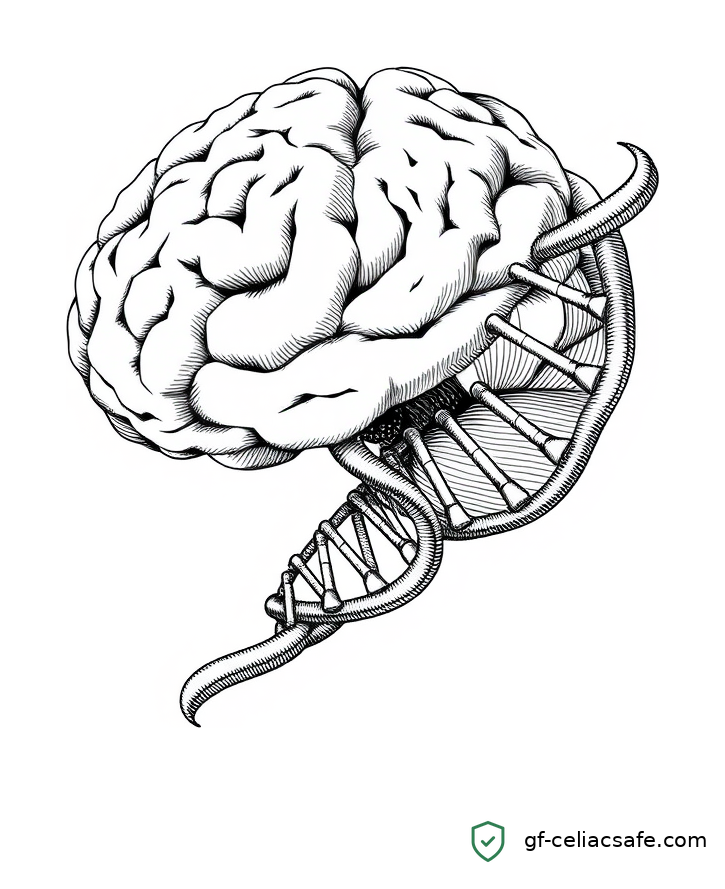
New genetic research suggests celiac disease may be linked to lower Alzheimer's risk. What this means for celiac families and future research.

A common blood pressure drug can cause intestinal damage identical to celiac disease. Here's what celiac families need to know about olmesartan.

New research quantifies the emotional and social burden on parents of celiac children. Here's what the data reveals and why it matters.

The Medical University of South Carolina breaks down celiac disease diagnosis and long-term health effects. Here's what it means for our community.

The DAISY Study is recruiting adults with celiac disease who have symptoms despite a gluten-free diet. Travel compensation included.

UC Davis researchers used gene editing to remove gluten proteins harmful to people with celiac disease. Here's what this breakthrough could mean for families.
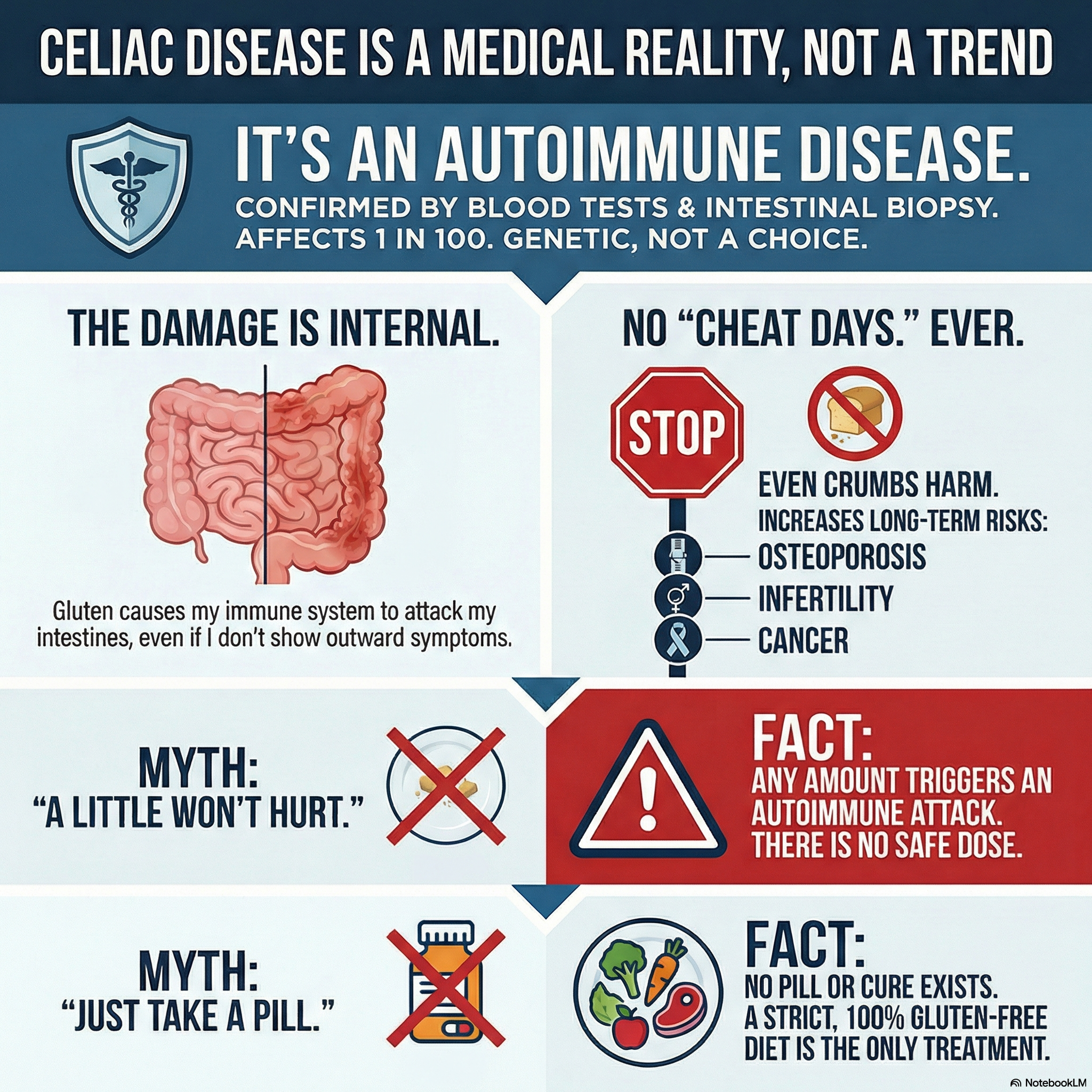
What gluten is, how it damages the celiac intestine, hidden sources, and why FDA standards may not protect everyone.
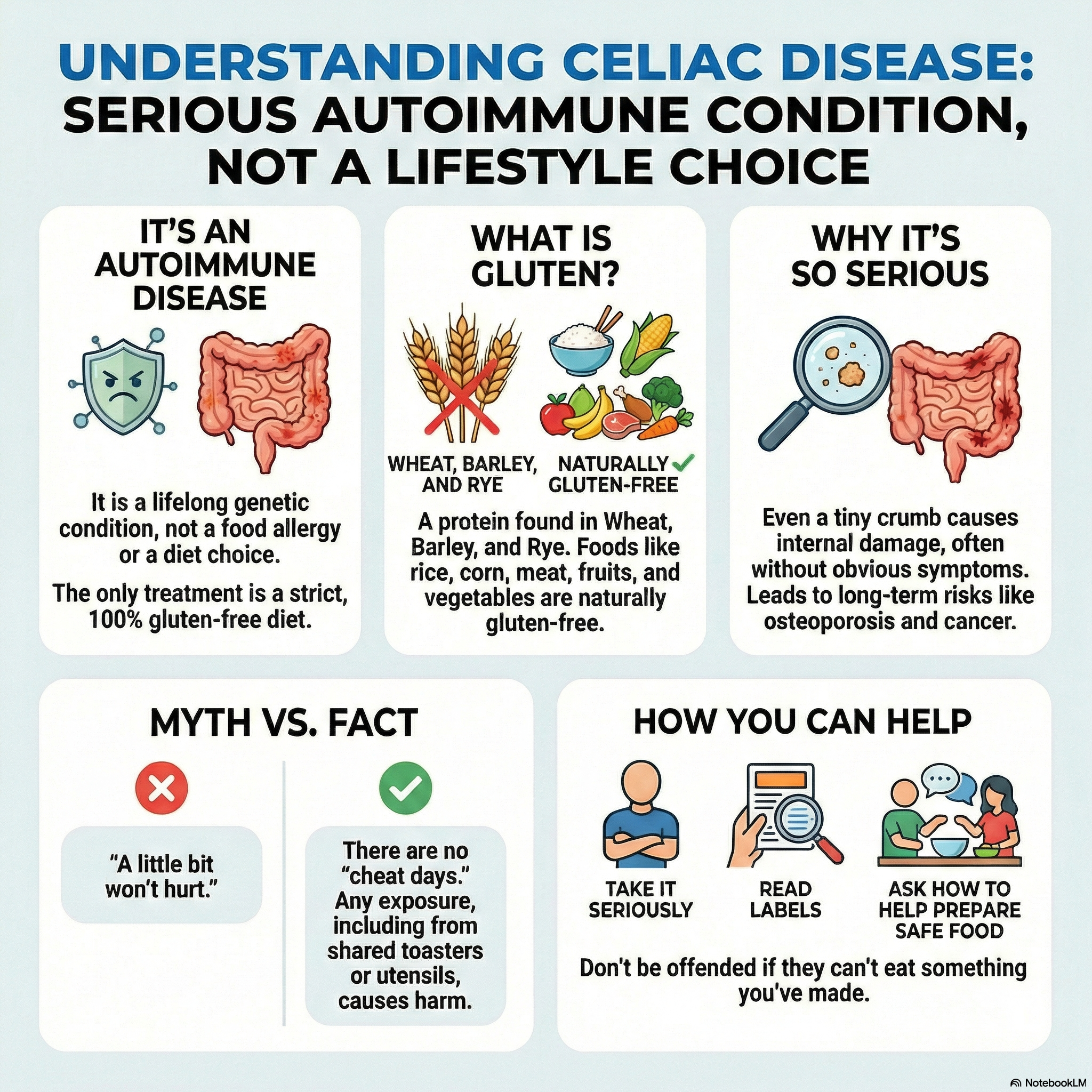
Celiac disease explained: autoimmune condition, symptoms, diagnosis, and why 'gluten-free' isn't always safe enough.