 Bob’s Red Mill Gluten Free 1-to-1 Baking Flour — GFCO certified, made in a dedicated gluten-free facility
Disclosure: This review is based on publicly available product information, manufacturer claims, and community feedback — not hands-on testing. We are not affiliated with Bob’s Red Mill. Links to Amazon may earn us a small commission at no extra cost to you.
Celiac-Safety Summary
| Criteria | Assessment |
|---|---|
| Certification | GFCO certified (<10 ppm) |
| Facility | Dedicated gluten-free facility |
| Testing | Third-party batch testing |
| Community Reports | Widely trusted by celiac community |
| Editorial Rating | 4.8/5 for celiac safety |
Bottom Line: Bob’s Red Mill 1-to-1 Baking Flour is one of the safest celiac-safe flour options available. Made in a dedicated gluten-free facility with GFCO certification requiring testing below 10 ppm, it meets the standards we recommend for people with celiac disease.
Why Certification Matters for Flour
Flour is a high-risk ingredient for cross-contact. To understand why, it helps to know what gluten actually is and how it behaves — in conventional facilities, wheat flour becomes airborne and settles on every surface. This is why we prioritize:
- Dedicated gluten-free facilities — No wheat on premises
- Third-party certification — Regular testing, not just manufacturer claims
- Strict ppm standards — Below FDA’s 20 ppm threshold
Bob’s Red Mill meets all three criteria, making it our top recommendation for celiac-safe baking.
Important: The FDA’s “gluten-free” labeling standard allows up to 20 ppm gluten. Research suggests this may not be protective for all people with celiac disease. GFCO certification requires <10 ppm, providing an additional safety margin.
Facility and Manufacturing
Dedicated Gluten-Free Facility
Bob’s Red Mill operates a dedicated gluten-free facility in Milwaukie, Oregon, separate from their conventional grain operations. This is critical because:
- No airborne wheat flour on equipment, surfaces, or air systems
- Dedicated equipment that never contacts gluten-containing grains
- Staff protocols preventing cross-contact from clothing or personal items
- Ingredient sourcing from verified gluten-free suppliers
GFCO Certification Process
The Gluten-Free Certification Organization (GFCO) certification requires:
- Annual facility inspections
- Regular batch testing
- Documentation of ingredient sourcing
- Staff training verification
- Results below 10 ppm for certification
This third-party oversight provides confidence beyond manufacturer self-reporting.
Product Analysis
Ingredients
Sweet white rice flour, whole grain brown rice flour, potato starch,
whole grain sorghum flour, tapioca flour, xanthan gum
Component Analysis:
| Ingredient | Purpose | Notes |
|---|---|---|
| Sweet white rice flour | Base flour | Provides structure |
| Brown rice flour | Nutrition, texture | Adds fiber and nutrients |
| Potato starch | Lightness | Creates tender crumb |
| Sorghum flour | Structure, browning | Adds nutrition |
| Tapioca flour | Elasticity | Helps with binding |
| Xanthan gum | Binding | Replaces gluten function |
Allergen Considerations:
- Contains no top-8 allergens
- No dairy, eggs, nuts, soy
- Contains rice (note for those limiting rice consumption)
- Tapioca derived from cassava (not corn)
The Xanthan Gum Inclusion
The pre-mixed xanthan gum is significant for celiac-safe baking:
- Eliminates need to purchase separate xanthan gum (another potential contamination point)
- Proper ratio already measured
- Consistent binding across batches
- Simplifies recipe conversion
Baking Performance (Community Feedback)
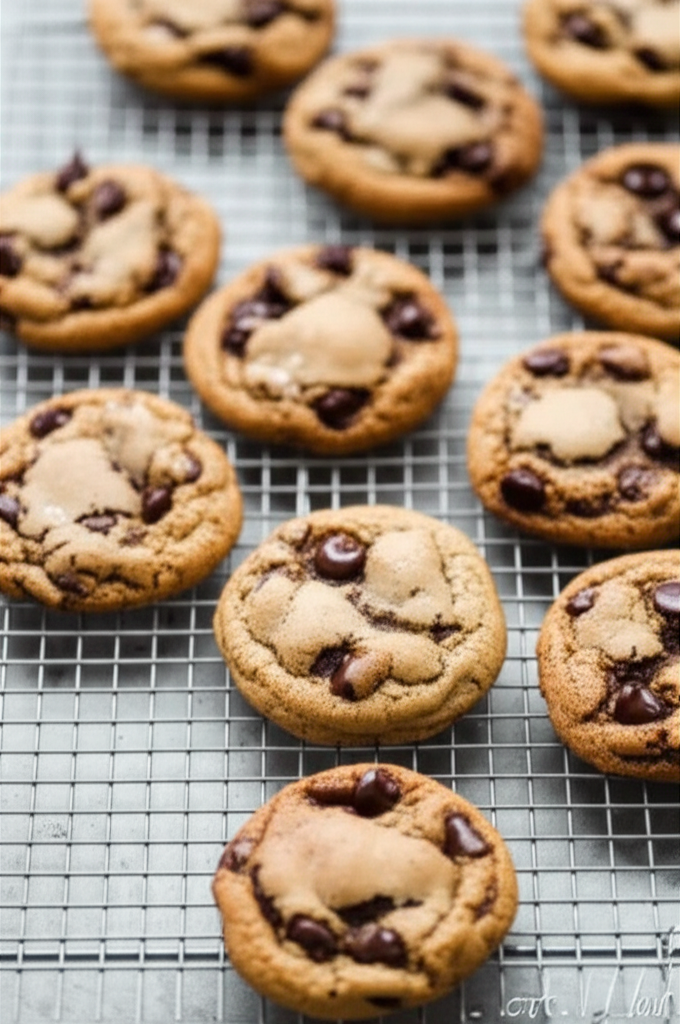 Gluten-free baking with quality flour produces excellent results
Based on community feedback and home baker reviews, here’s how this flour performs across different applications. These ratings reflect aggregated user reports, not our own testing.
Performance by Application
| Application | Performance | Notes |
|---|---|---|
| Cookies | Excellent (5/5) | Crisp edges, chewy center, proper spread |
| Cakes | Very Good (4.5/5) | Tender crumb, slightly denser than wheat |
| Quick Breads | Excellent (5/5) | Moist, well-risen, great texture — try our celiac-safe banana bread |
| Pancakes | Excellent (5/5) | Fluffy, golden, excellent |
| Muffins | Excellent (5/5) | Domed tops, tender crumb |
| Yeasted Bread | Good (4/5) | Acceptable density, smaller air pockets |
| Pie Crust | Very Good (4.5/5) | Flaky but more fragile |
| Gravies/Sauces | Excellent (5/5) | Smooth thickening, no off-flavors |
| Breading | Very Good (4.5/5) | Crispy coating |
What Home Bakers Report
Strengths:
- True 1:1 substitution works in most recipes without modification
- Neutral flavor—no detectable “gluten-free taste”
- Consistent results batch to batch
- Good moisture retention
Limitations:
- Yeasted breads lack the rise and structure of wheat
- Laminated doughs (croissants, puff pastry) not recommended
- Slightly denser results in some applications
Comparison to Other Celiac-Safe Flours
Celiac-Safety Comparison
| Flour | Certification | Facility | ppm Standard |
|---|---|---|---|
| Bob’s Red Mill 1-to-1 | GFCO | Dedicated gluten-free | <10 ppm |
| King Arthur Measure for Measure | GFCO | Dedicated gluten-free | <10 ppm |
| Cup4Cup | GFCO | Dedicated gluten-free | <10 ppm |
| Pamela’s Artisan Blend | None listed | Shared (verified GF) | FDA standard |
| Store brand gluten-free flours | Varies | Usually shared | FDA standard |
Performance Comparison
| Flour | Overall Rating | Best For | Price |
|---|---|---|---|
| Bob’s Red Mill 1-to-1 | 4.8/5 | All-purpose, best value | $$ |
| King Arthur Measure for Measure | 4.7/5 | All-purpose | $$ |
| Cup4Cup | 4.5/5 | Delicate pastries | $$$ |
| Pamela’s Artisan Blend | 4.2/5 | Cookies, brownies | $$ |
Value Assessment
Pricing
| Retailer | Size | Price (approx.) | Per Ounce |
|---|---|---|---|
| Amazon | 44 oz | $9-11 | $0.20-0.25 |
| Walmart | 44 oz | $8-10 | $0.18-0.23 |
| Target | 44 oz | $9-11 | $0.20-0.25 |
| Costco | 64 oz | $10-12 | $0.16-0.19 |
| Bob’s Red Mill direct | 44 oz | $10-12 | $0.23-0.27 |
Prices as of January 2026. Subscribe & Save options often reduce prices 5-15%.
Value Analysis
For the celiac-safe features provided (dedicated facility, GFCO certification, batch testing), Bob’s Red Mill offers excellent value. Comparable certified products from premium brands cost 50-100% more.
Who Should Use This Flour
Recommended For
- People with celiac disease seeking verified-safe baking flour
- Home bakers wanting one versatile flour for most applications
- New gluten-free bakers needing reliable 1:1 substitution
- Families baking for mixed dietary needs
- Anyone who values third-party certification over label claims
May Not Be Suitable For
- Those needing to avoid rice (primary ingredient)
- Bakers requiring specialized bread flour (consider dedicated bread blends)
- Those sensitive to xanthan gum (consider gum-free alternatives)
- Budget-focused shoppers who can tolerate higher cross-contact risk
Storage and Handling
 Proper storage and dedicated equipment keep your celiac-safe flour contamination-free
Celiac-Safe Storage Practices
- Sealed container: Transfer to airtight container after opening
- Separate storage: Store away from any gluten-containing flours in your kitchen
- Labeled clearly: Mark container for celiac-safe use only
- Cool, dry location: Extends shelf life (1 year unopened, 4-6 months opened)
- Dedicated scoop: Use a dedicated measuring cup that never contacts gluten
Cross-Contact Prevention
Even with a certified-safe flour, cross-contact can occur at home:
- Use dedicated celiac-safe baking equipment
- Clean surfaces thoroughly before baking
- Avoid shared wooden utensils or porous equipment
- Store celiac-safe products above gluten-containing products
Where to Buy
Reliable Sources
- Amazon — Subscribe & Save available, often best pricing
- Walmart — In-store and online, competitive pricing
- Target — Regular stock, RedCard discount available
- Costco — Best bulk pricing when available
- Bob’s Red Mill direct — Subscription options
Availability
This flour is widely available, found in most major grocery stores, natural food stores (Whole Foods, Sprouts, Natural Grocers), and online retailers.
Final Assessment
Celiac-Safety Rating: 4.8/5
Bob’s Red Mill 1-to-1 Baking Flour represents the gold standard for celiac-safe flour:
| Criterion | Score | Notes |
|---|---|---|
| Certification | 5/5 | GFCO certified <10 ppm |
| Facility | 5/5 | Dedicated gluten-free manufacturing |
| Testing | 5/5 | Third-party batch testing |
| Community Trust | 5/5 | Widely used without reports of reactions |
| Baking Performance | 4.5/5 | Excellent for most applications |
| Value | 4.5/5 | Best price among certified options |
Editorial Recommendation
For people with celiac disease, Bob’s Red Mill 1-to-1 Baking Flour is our top recommendation for all-purpose baking. The combination of GFCO certification, dedicated facility manufacturing, and proven performance makes it the safest and most reliable choice available.
If you stock one flour in your celiac-safe kitchen, make it this one. Ready to bake? This flour works beautifully in our celiac-safe banana bread and no-yeast cinnamon rolls. For a deeper look at how certification and labeling standards work, see our gluten-free labeling laws guide.
Disclosure: This review is based on publicly available product information, manufacturer claims, and community feedback. We are not affiliated with Bob’s Red Mill. Product formulations and manufacturing practices can change—always verify current certification and ingredient information. Links to Amazon may earn us a small commission at no extra cost to you.
Sources
- FDA. “Questions and Answers: Gluten-Free Food Labeling Final Rule.” August 2013.
- Catassi C, et al. “A prospective, double-blind, placebo-controlled trial to establish a safe gluten threshold for patients with celiac disease.” American Journal of Clinical Nutrition. 2007.
- Gluten-Free Certification Organization. “GFCO Certification Standards.” Accessed January 2026.
- Bob’s Red Mill. “Gluten Free Products.” Accessed January 2026.
- Thompson T, et al. “gluten cross-contact of grains, seeds, and flours in the United States.” Journal of the American Dietetic Association. 2010.