 King Arthur Measure for Measure Gluten-Free Flour — GFCO certified, made in a dedicated facility
Disclosure: This review is based on publicly available product information, manufacturer claims, and community feedback — not hands-on testing. We are not affiliated with King Arthur Baking Company. Links to Amazon may earn us a small commission at no extra cost to you.
Celiac-Safety Summary
| Criteria | Assessment |
|---|---|
| Certification | GFCO certified (<10 ppm) |
| Facility | Dedicated gluten-free production |
| Testing | Third-party batch testing |
| Community Reports | Trusted by celiac community |
| Editorial Rating | 4.7/5 for celiac safety |
Bottom Line: King Arthur Measure for Measure flour meets celiac-safe standards with GFCO certification and dedicated gluten-free production. It’s a reliable choice for people with celiac disease who want the quality backing of an established baking company.
Company Background and Trust
King Arthur Baking Company has been making flour since 1790—the oldest flour company in America. Their reputation for quality is well-established, and they’ve applied that same rigor to their gluten-free line.
What matters for celiac safety:
- Dedicated gluten-free production (not just a “gluten-free line” in a wheat facility)
- GFCO certification requiring <10 ppm testing
- Established quality control infrastructure
- Transparent ingredient sourcing
Certification and Manufacturing Analysis
GFCO Certification
King Arthur Measure for Measure carries GFCO (Gluten-Free Certification Organization) certification, which requires:
- Testing below 10 ppm — Stricter than FDA’s 20 ppm standard
- Annual facility audits — Third-party verification of protocols
- Ingredient verification — All components must be verified safe
- Ongoing batch testing — Not just initial certification
Why 10 ppm matters: Research from Catassi et al. found that even 10mg of daily gluten (approximately what you’d get from 50g of product at 20 ppm) can cause intestinal damage in some people with celiac disease. The 10 ppm threshold provides additional safety margin.
Manufacturing Facility
King Arthur produces their gluten-free products using dedicated equipment with separation from their conventional wheat flour operations. Key safety measures include:
- Dedicated production equipment
- Separate ingredient storage
- Air handling designed to prevent cross-contact
- Staff protocols and training
- Testing protocols for finished products
Product Composition
Ingredients
Rice flour, tapioca starch, potato starch, rice starch,
xanthan gum, calcium carbonate
Component Analysis:
| Ingredient | Purpose | Notes |
|---|---|---|
| Rice flour | Base structure | Primary flour component |
| Tapioca starch | Elasticity, binding | Helps with texture |
| Potato starch | Lightness | Creates tender crumb |
| Rice starch | Fine texture | Smooth mouthfeel |
| Xanthan gum | Binding | Replaces gluten function |
| Calcium carbonate | Fortification | Added nutrition |
Allergen Profile:
- Free from top-8 allergens
- No dairy, eggs, nuts, soy
- Contains rice (relevant for those limiting rice intake)
- Xanthan gum included (relevant for those sensitive to gums)
No Bean Flours
Unlike some gluten-free blends, King Arthur avoids bean flours (chickpea, fava, etc.). This eliminates the “beany” taste that some people find objectionable in gluten-free baking. The result is a neutral-flavored flour that disappears into baked goods.
Baking Performance (Community Feedback)
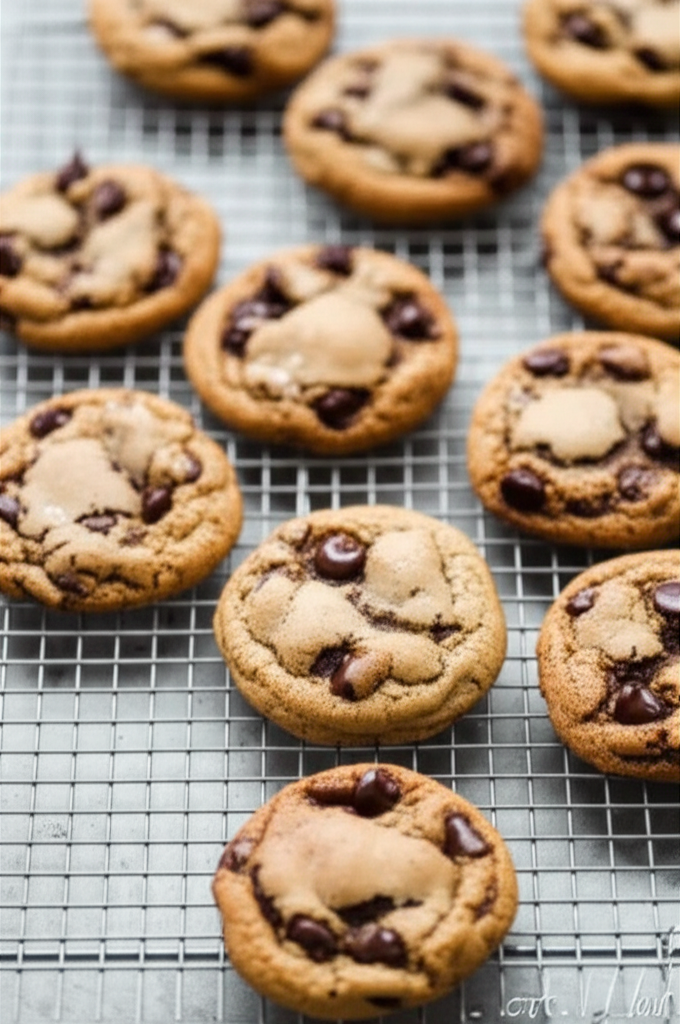 Quality gluten-free flour delivers professional-looking baked goods
Based on community feedback and home baker reviews, here’s how this flour performs across different applications. These ratings reflect aggregated user reports, not our own testing.
Performance by Application
| Application | Score | Celiac-Safe? | Notes |
|---|---|---|---|
| Chocolate Chip Cookies | 5/5 | Yes | Excellent spread, texture, and taste |
| Yellow Cake | 4.5/5 | Yes | Tender crumb, slightly denser than wheat |
| Pizza Dough | 4/5 | Yes | Good handling, crispier than wheat |
| Sandwich Bread | 4/5 | Yes | Good rise, tighter crumb |
| Muffins | 5/5 | Yes | Perfect domes, tender texture |
| Pancakes | 5/5 | Yes | Fluffy, golden, excellent — try our celiac-safe fluffy pancakes |
| Pie Crust | 4/5 | Yes | Flaky but fragile |
| Gravies/Sauces | 5/5 | Yes | Smooth, no off-flavors |
Performance Observations
Excels At:
- Cookies — Proper spread, chewy center, crisp edges
- Pancakes and waffles — Light, fluffy, golden brown
- Muffins and quick breads — Great rise, moist texture (perfect for recipes like our celiac-safe banana bread)
- Cakes — Tender crumb, good moisture retention
- Thickening — Smooth gravies and sauces
Good But Not Perfect:
- Yeasted breads — Acceptable but denser than wheat
- Pizza dough — Crispier, less chewy than traditional
- Pie crust — Flaky but requires careful handling
Comparison: King Arthur vs. Bob’s Red Mill
| Feature | King Arthur | Bob’s Red Mill |
|---|---|---|
| Certification | GFCO (<10 ppm) | GFCO (<10 ppm) |
| Facility | Dedicated gluten-free | Dedicated gluten-free |
| Bean-free | Yes | Yes |
| Xanthan included | Yes | Yes |
| Texture | Finer | Slightly coarser |
| Flavor | Neutral | Neutral |
| Price | $$ | $$ |
| Availability | Good | Excellent |
Verdict: Both are excellent celiac-safe choices. King Arthur has a slightly finer texture; Bob’s Red Mill is more widely available. For celiac safety, either is appropriate. Read our full Bob’s Red Mill 1-to-1 review for a detailed comparison.
Why Choose GFCO-Certified Flour?
The Flour Risk Factor
Flour presents the highest cross-contact risk in baking. To understand why gluten is so problematic even in trace amounts, see our complete guide to understanding gluten. Here’s why flour specifically is risky:
- Volume matters — You use more flour than any other baking ingredient
- Airborne particles — Wheat flour travels and settles on surfaces
- Accumulation — Even low ppm adds up with large quantities
Example calculation:
- 2 cups of flour ≈ 240g
- At 19 ppm (FDA limit): 4.56mg gluten
- At 9 ppm (GFCO limit): 2.16mg gluten
For someone reacting to 10mg daily, the GFCO standard provides meaningful additional protection.
What Certification Guarantees
| Certification | Testing Standard | Verification |
|---|---|---|
| None (just “GF” label) | <20 ppm (if tested) | Manufacturer’s responsibility |
| GFCO | <10 ppm | Third-party audits and testing |
| NSF Gluten-Free | <20 ppm | Third-party verification |
| CSA | <5 ppm | Strictest standard available |
King Arthur’s GFCO certification means regular third-party verification—not just label claims. For a full breakdown of how these certification tiers work and what the law requires, see our gluten-free labeling laws guide.
Tips for Celiac-Safe Baking
 Organized preparation and dedicated equipment lead to successful gluten-free baking
With This Flour
- Measure by weight — 120g per cup for best consistency
- Let batters rest — 5-10 minutes allows starches to hydrate
- Don’t overmix — Develops starches and creates gummy texture
- Room temperature ingredients — Better incorporation
- Extra liquid if needed — gluten-free batters sometimes need 1-2 tablespoons more
In Your Kitchen
- Use dedicated celiac-safe baking equipment
- Store this flour away from any gluten-containing products
- Label your container clearly
- Use a dedicated measuring cup
- Clean surfaces before celiac-safe baking
Storage and Shelf Life
Recommended Storage
| Condition | Shelf Life | Notes |
|---|---|---|
| Unopened, cool pantry | 12+ months | Check date on package |
| Opened, airtight container | 4-6 months | Store in cool, dry location |
| Refrigerated | 6-12 months | Bring to room temp before baking |
| Frozen | 12+ months | Thaw before use |
Cross-Contact Prevention
- Transfer to a dedicated airtight container after opening
- Store above any gluten-containing products (crumbs fall down)
- Use a dedicated scoop that never contacts gluten
- Keep in a designated celiac-safe area of your pantry
Where to Buy
Reliable Sources
| Retailer | Availability | Pricing | Notes |
|---|---|---|---|
| King Arthur website | Direct | $$+ | Subscription available |
| Amazon | Excellent | $$ | Subscribe & Save options |
| Target | Good | $$ | In-store and online |
| Whole Foods | Good | $$+ | Regular stock |
| Kroger & affiliates | Varies | $$ | Check local availability |
| Thrive Market | Online only | $$ | Membership required |
Price Comparison
| Size | Typical Price | Per Ounce |
|---|---|---|
| 3 lb (48 oz) | $8-11 | $0.17-0.23 |
| Bulk options | Varies | Often better value |
Prices as of January 2026. Sales and subscriptions can reduce prices significantly.
Who Should Use This Flour
Recommended For
- People with celiac disease needing verified-safe baking flour
- Home bakers wanting quality results with minimal adjustments
- Those who trust established brands — King Arthur’s 230+ year reputation
- Bakers avoiding bean flours — No chickpea or fava flour taste
- Anyone wanting GFCO certification over FDA minimum standards
Consider Alternatives If
- You need to avoid rice — Rice is the primary ingredient
- You’re xanthan-sensitive — Xanthan gum is included
- Budget is primary concern — Store brands may be less expensive
- You want artisan bread results — Specialized bread flours may perform better
Final Assessment
Celiac-Safety Rating: 4.7/5
| Criterion | Score | Notes |
|---|---|---|
| Certification | 5/5 | GFCO certified <10 ppm |
| Facility | 5/5 | Dedicated gluten-free production |
| Testing | 5/5 | Third-party verification |
| Community Trust | 4.5/5 | Well-regarded, fewer community reports than Bob’s |
| Baking Performance | 4.5/5 | Excellent for most applications |
| Value | 4/5 | Slightly pricier than competitors |
Editorial Recommendation
King Arthur Measure for Measure flour is a trusted, celiac-safe choice backed by GFCO certification and a company with centuries of flour-making expertise. The slightly finer texture produces excellent results in cookies, cakes, and pancakes.
For people with celiac disease, this flour meets our safety standards and performs well across typical baking applications. It’s a strong alternative to Bob’s Red Mill, and personal preference may guide which you choose.
Both King Arthur and Bob’s Red Mill are celiac-safe choices. Choose based on availability, price, or texture preference—you can’t go wrong with either.
Disclosure: This review is based on publicly available product information, manufacturer claims, and community feedback. We are not affiliated with King Arthur Baking Company. Product formulations and manufacturing practices can change—always verify current certification and ingredient information. Links to Amazon may earn us a small commission at no extra cost to you.
Sources
- FDA. “Questions and Answers: Gluten-Free Food Labeling Final Rule.” August 2013.
- Catassi C, et al. “A prospective, double-blind, placebo-controlled trial to establish a safe gluten threshold for patients with celiac disease.” American Journal of Clinical Nutrition. 2007.
- Gluten-Free Certification Organization. “GFCO Certification Standards.” Accessed January 2026.
- King Arthur Baking Company. “Gluten-Free Products.” Accessed January 2026.
- Thompson T, et al. “gluten cross-contact of grains, seeds, and flours in the United States.” Journal of the American Dietetic Association. 2010.